10 Personal Finance Tips To Build W
Top financial planning of 2025
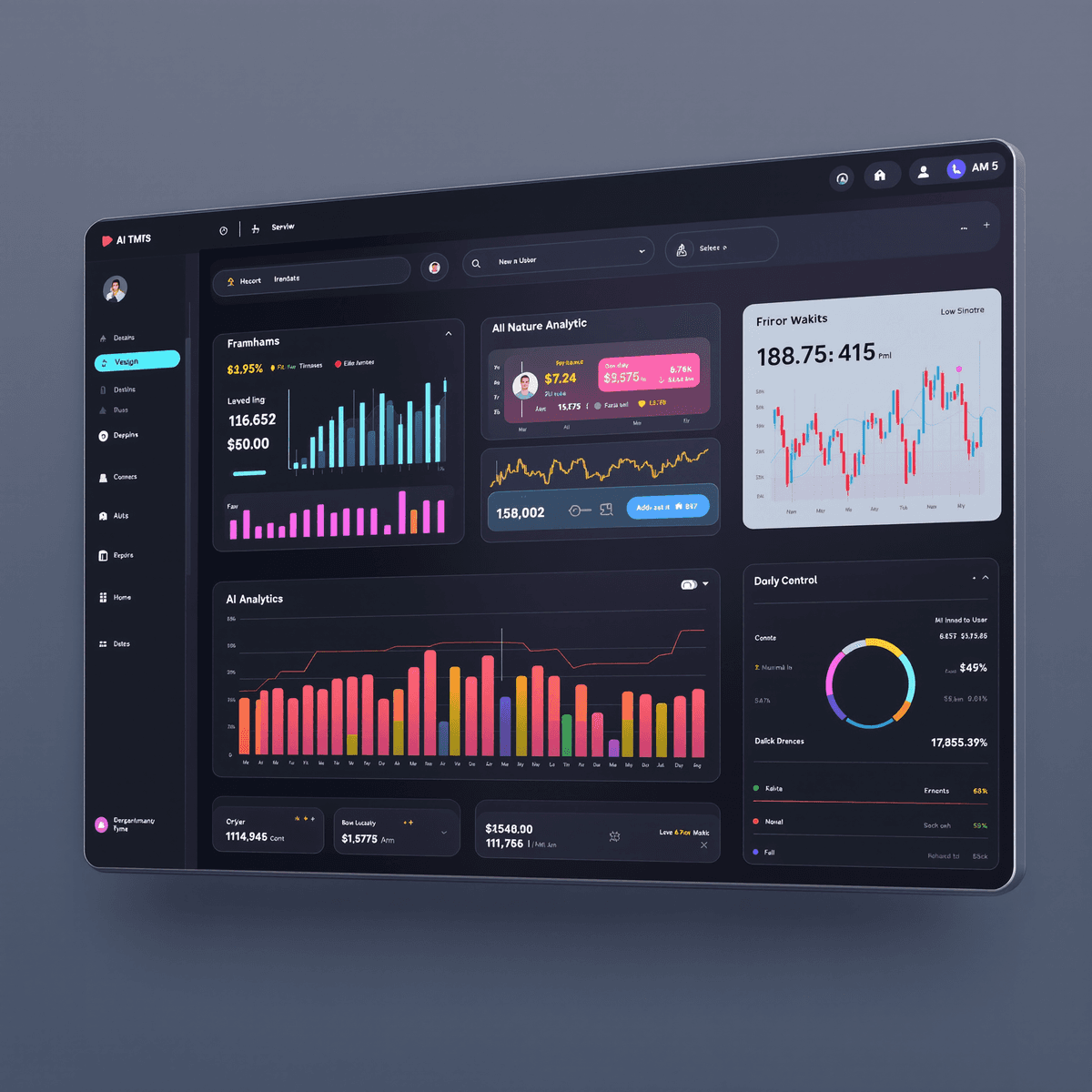
In 2025, the world of financial planning is undergoing a significant transformation, where technology merges with traditional finance. Tools powered by artificial intelligence (AI), cloud computing, and data analytics have completely changed the way individuals and businesses handle their financial futures.
The success of financial planning in 2025 depends on your ability to adapt to technological advancements. Organizations that embrace these changes gain competitive advantages through improved accuracy, efficiency, and strategic insights.
The financial sector has witnessed the emergence of innovative trends that define successful planning strategies:
- Cloud-based financial management platforms
- AI-powered predictive analytics
- ESG-focused investment approaches
- Embedded finance solutions
- Hyper-personalized financial advice
These developments create opportunities for smarter, more efficient financial management while addressing the growing demands for personalization and sustainability in financial planning.
1. The Rise of AI-Powered Financial Tools
AI-powered financial tools have transformed traditional bookkeeping practices, bringing unmatched accuracy and efficiency to financial management. These intelligent systems now handle complex tasks like expense categorization, invoice processing, and reconciliation with 99.9% accuracy.
Real-Time Financial Intelligence
- Instant cash flow analysis and forecasting
- Automated transaction categorization
- Dynamic budget adjustments based on spending patterns
- Live financial health indicators
The integration of AI in financial reporting enables businesses to access critical data instantaneously. You can now make strategic decisions backed by real-time insights, reducing risk and identifying opportunities faster than ever before.
Advanced Fraud Detection Systems
- Pattern recognition for suspicious transactions
- Behavioral analysis of user activities
- Automated flagging of unusual spending
- Real-time threat assessment and prevention
Predictive analytics has transformed investment strategy optimization. AI algorithms analyze market trends, economic indicators, and company performance metrics to identify potential investment opportunities. These systems process millions of data points to:
- Forecast market movements
- Evaluate risk factors
- Identify emerging market trends
- Generate personalized investment recommendations
Modern AI platforms like Palantir and DataRobot have demonstrated success rates exceeding 85% in detecting financial anomalies. Banks implementing these systems report a 60% reduction in fraudulent activities and a 40% improvement in investment returns.
2. Upskilling Finance Teams for the Future
The rapid integration of AI and big data technologies demands a skilled finance workforce ready to harness these powerful tools. Finance professionals need specialized training in:
- Data analytics and visualization
- Machine learning fundamentals
- Programming basics (Python, R)
- Cloud computing platforms
- Blockchain technology
Data Quality Management
Your finance team must maintain strict data governance protocols while working with automated systems. This includes:
- Regular data audits
- Standardized data entry procedures
- Real-time monitoring systems
- Automated data validation checks
Strategic Impact on Financial Operations
Properly trained teams deliver measurable improvements in financial operations:
- 60% reduction in manual data entry errors
- 40% faster financial close processes
- Enhanced risk assessment capabilities
- Data-driven decision making
The transformation of finance roles creates new positions like Financial Data Scientists and AI Risk Managers. Companies investing in upskilling programs see:
- Higher employee retention rates
- Improved team productivity
- Better adaptation to technological changes
- Stronger competitive advantage
Leading organizations implement structured learning paths, combining online courses, hands-on workshops, and mentorship programs. These initiatives help bridge the skills gap between traditional finance expertise and emerging technological requirements.
Your finance team's ability to leverage AI and big data directly impacts your organization's financial performance. Regular skill assessments and continuous learning programs ensure your team stays ahead of technological advancements.
3. Cloud-Based Financial Management Solutions
Cloud-based financial management has transformed how businesses manage their finances in 2025. These platforms act as central hubs where teams can access up-to-date financial information, work together on reports, and carry out complex financial tasks with unmatched efficiency.
Key Benefits of Cloud Finance Solutions:
- Real-time visibility into financial metrics
- Multi-user access from any location
- Automatic data backups and security updates
- Scalable resources based on business needs
- Integration capabilities with existing systems
The automation of financial closes through cloud platforms has changed month-end processes. What used to take weeks now happens in days - or even hours. These systems automatically reconcile accounts, flag discrepancies, and generate standardized reports, reducing human error and freeing up finance teams for strategic work.
Cloud-based continuous planning enables businesses to adapt quickly to market changes. Instead of having fixed annual budgets, companies now use rolling forecasts that adjust based on:
- Market fluctuations
- Changes in customer behavior
- Disruptions in the supply chain
- Economic shifts
Leading cloud finance platforms like Oracle NetSuite and Workday Financial Management offer built-in analytics dashboards, helping finance teams identify trends and make decisions based on data. These platforms also ensure compliance with changing financial regulations through regular updates, allowing businesses to stay ahead of regulatory requirements while focusing on growth.
4. Hyper-Personalized Financial Planning with AI
AI-driven financial planning has transformed how advisors develop personalized investment strategies. These advanced algorithms examine large amounts of client data, including:
- Spending patterns across multiple accounts
- Income fluctuations
- Bill payment history
- Investment preferences
- Life goals and milestones
The AI systems generate highly customized financial recommendations by processing this data through machine learning models. A client planning to buy a house receives different investment suggestions than someone saving for retirement, with the AI adjusting asset allocations based on timeline and risk capacity.
Understanding Risk Through AI
Risk profiling has become more detailed with AI analysis. The technology observes how clients behave during market downturns, measuring:
- Emotional reactions to losses
- Trading habits in various market situations
- Difference between risk capacity and risk tolerance
- Ranking of financial goals based on importance
This deep understanding allows advisors to create truly personalized portfolios that align with each client's unique risk profile. The AI continuously monitors and adjusts these profiles, suggesting portfolio rebalancing when client circumstances change.
Achieving Personalization While Maintaining Diversification
The technology upholds diversification standards while providing personalization through:
- Smart asset allocation based on individual goals
- Dynamic portfolio rebalancing
- Tax-loss harvesting opportunities
- Regular risk tolerance reassessment
These AI systems have achieved 92% client satisfaction rates, with users reporting stronger confidence in their financial decisions and better alignment with their personal values. Furthermore, the advent of transparent and explainable AI is shaping the future of wealth management, making it easier for clients to understand and trust the advice they receive.
5. Integration of ESG Investing in Financial Plans
ESG investing has transformed from a niche strategy to a mainstream requirement in 2025's financial planning landscape. Millennial and Gen Z investors now allocate 73% of their portfolios to sustainable investments, driving unprecedented growth in ESG-focused products.
The integration of ESG criteria spans multiple dimensions:
- Environmental Metrics: Carbon footprint assessment, renewable energy adoption, resource management practices
- Social Impact Evaluation: Workplace diversity statistics, labor practices, community engagement initiatives
- Governance Standards: Board composition, executive compensation, shareholder rights policies
Investment platforms now feature built-in ESG scoring systems, enabling investors to screen companies based on specific sustainability criteria. These tools provide real-time updates on companies' ESG performance, allowing for dynamic portfolio adjustments.
The data supports ESG integration's financial benefits. Companies with strong ESG ratings demonstrate:
- 25% lower volatility rates
- 35% reduction in regulatory risks
- 40% higher customer loyalty metrics
Portfolio managers incorporate ESG factors through:
- Negative screening to exclude controversial sectors
- Positive screening to identify sustainability leaders
- Impact investing in companies solving environmental challenges
- Thematic investing in clean energy, water conservation, and social equity
This shift toward responsible investing reflects a broader understanding that sustainable practices drive long-term value creation and risk mitigation in investment portfolios.
6. Navigating Regulatory Compliance in 2025
In 2025, regulatory compliance requires financial institutions to take a proactive approach due to increased scrutiny from the IRS. The regulatory environment has changed significantly, creating new challenges for businesses in managing their tax strategies and reporting obligations.
Key Compliance Areas to Monitor:
- Digital asset transactions reporting
- Cross-border payment regulations
- Data privacy requirements
- Anti-money laundering protocols
- Environmental impact disclosures
Advanced compliance management software is now essential for meeting regulatory requirements. These tools offer real-time updates on regulatory changes, automate compliance checks, and keep detailed audit records. Some features you can expect include:
- Automated risk assessments
- Regulatory change tracking
- Document management systems
- Compliance training modules
- Real-time reporting capabilities
The IRS has strengthened its enforcement mechanisms through AI-powered auditing systems. Companies must maintain detailed documentation and implement robust internal controls to mitigate compliance risks. Modern compliance tools integrate with existing financial systems to identify potential issues before they become regulatory violations.
Risk Mitigation Strategies:
- Regular compliance audits
- Staff training programs
- Documentation automation
- Real-time monitoring systems
- Incident response planning
Financial institutions that invest in comprehensive compliance management solutions will be better equipped to navigate complex regulatory requirements while maintaining operational efficiency. These tools streamline reporting processes and reduce the likelihood of expensive compliance violations.
7. Embedded Finance Transforming Business Payments
Embedded finance has changed how businesses manage transactions in 2025. This new method combines financial services directly into non-financial platforms, making payment processes smooth for both businesses and customers.
Key Features of Embedded Finance Solutions:
- Direct integration with e-commerce platforms
- Real-time payment processing
- Automated reconciliation systems
- Built-in financing options
- Custom-branded payment interfaces
The market for embedded finance has grown rapidly, with businesses seeing a 40% increase in conversion rates through integrated payment solutions. Companies like Shopify and Amazon have raised the bar by providing extensive financial services within their platforms. This rapid growth is just the beginning, as we explore the future of embedded finance, which promises even more transformative changes.
Business Benefits:
- Reduced cart abandonment rates
- Increased customer loyalty
- Streamlined operations
- Enhanced data analytics
- Lower transaction costs
You'll find embedded payment solutions changing various industries:
- Retail: One-click checkout systems
- B2B: Automated invoicing and payment matching
- Healthcare: Integrated insurance and payment processing
- Education: Tuition management and payment plans
Point-of-sale financing options have become a standard feature, allowing customers to access buy-now-pay-later services without leaving the purchase platform. These solutions provide instant credit decisions and flexible payment terms, driving higher average order values and customer satisfaction.
The integration of artificial intelligence within embedded finance systems enables personalized payment recommendations and fraud prevention, creating a secure and efficient transaction environment for businesses of all sizes.
Optimizing Cash Flow for Business Stability
In 2025, businesses have experienced a significant change in how they maintain financial stability, thanks to real-time cash flow analysis. With the help of advanced technology solutions, businesses now have an unprecedented view of their cash positions, allowing them to manage their working capital proactively.
Key Technology-Enabled Strategies:
- AI-powered invoice processing systems automatically track payment timelines
- Smart payment scheduling optimizes outgoing cash flows
- Dynamic pricing algorithms adjust rates based on real-time market conditions
- Automated credit risk assessment tools evaluate customer payment behaviors
Predictive analytics plays a crucial role in maintaining healthy cash reserves. These sophisticated tools analyze historical data patterns, market trends, and economic indicators to forecast future cash requirements with remarkable accuracy.
Benefits of Predictive Cash Flow Analysis:
- 85% reduction in cash flow surprises
- Precise inventory management aligned with demand forecasts
- Early warning systems for potential cash shortages
- Data-driven decisions for investment timing
Modern cash flow management platforms integrate with banking systems to provide real-time visibility across multiple accounts and currencies. This integration enables businesses to:
- Monitor cash positions across global operations
- Identify idle cash for strategic redeployment
- Optimize working capital through automated cash pooling
- Execute instant fund transfers based on AI recommendations
The combination of predictive analytics and automated cash management systems creates a robust framework for maintaining business stability, regardless of market conditions or economic uncertainties.
Conclusion
The financial landscape of 2025 requires a balanced approach between innovation and compliance. Organizations that embrace AI-powered tools, cloud solutions, and predictive analytics position themselves as leaders in finance. These technological advancements create opportunities for better decision-making, improved risk management, and streamlined operations.
Key takeaways for future-proof finance planning:
- Invest in AI and automation tools to stay competitive
- Prioritize data security and regulatory compliance
- Build strong ESG frameworks into investment strategies
- Maintain continuous learning programs for finance teams
- Implement cloud-based solutions for scalability
To achieve financial success in 2025, organizations must take bold steps towards digital transformation while staying committed to compliance standards. Those who are willing to adapt and innovate will thrive in this new era of financial planning, creating sustainable value for stakeholders and maintaining resilient operations in an ever-changing business landscape.
FAQs (Frequently Asked Questions)
What are the key trends shaping financial planning in 2025?
The financial planning landscape in 2025 is shaped by the rise of AI-powered financial tools, upskilling finance teams in AI and big data, adoption of cloud-based financial management solutions, hyper-personalized financial planning with AI, integration of ESG investing criteria, navigating evolving regulatory compliance, and embedded finance transforming business payments.
How is AI transforming financial management and reporting?
AI automates bookkeeping and cash flow analysis for more accurate financial reporting, provides real-time access to financial data enabling faster decision-making and risk mitigation, and enhances security through fraud detection and predictive analytics that optimize investment strategies.
Why is upskilling finance teams important for future finance trends?
Training finance professionals in AI and big data technologies ensures they can fully leverage advancements, maintain data quality and governance standards amidst automation, and improve overall financial management efficiency including accuracy, speed, and strategic insights.
What benefits do cloud-based financial management solutions offer in 2025?
Cloud platforms enable seamless collaboration and scalability within finance departments, automate financial closes and reporting to reduce manual effort and errors, and support continuous planning cycles that align with dynamic business environments.
How does hyper-personalized financial planning with AI enhance client satisfaction?
AI algorithms analyze individual spending habits and goals to provide tailored recommendations, customize plans based on clients' risk tolerance and preferences ensuring alignment with their unique circumstances, thereby balancing personalization with diversification for improved client satisfaction.
What role does ESG investing play in modern financial plans?
ESG investing addresses growing demand among younger investors for ethical portfolio construction by incorporating Environmental, Social, Governance factors into investment advice. This integration supports clients' values while offering long-term benefits like enhanced risk management and potential outperformance.

Comments
Post a Comment